When the Offering Baskets Stayed Put: A Sabbath of Tension at Karura SDA
Written by Nyachae Brian on February 1, 2026
The views expressed in this article are the author’s own and do not reflect the position of this publication.
It is an old adage in African communities that if you want details, sit at the back. On this particular Sabbath, I found myself sited at the back against my norm. Not by design but coincidental
The service at the renowned Karura Seventh-day Adventist church appeared normal from the onset. I was thrilled by the live performances by the choirs. I generally love good music when sung with enthusiasm and melody
The congregation sung in coherence under the leadership of the church chorister. It was an atmosphere of deep reverence. I followed the hymns projected, sang where I could and listened where I had. I already counted it a blessing to have decided to fellowship there among the other alternatives
Then the pulpit team took over.
The key text was read. “Blessed are the peacemakers, for they shall be called the children of God.” At face value, it was just a sermon, one among many I had attended before. Little did I know the verse carried in it a summary of the burning coal
One of the pastors invited the ordained deacons to collect tithes and offerings
They did not move.
Instead, the deacons remained seated at the back of the church, unmoved and unresponsive to repeated calls from the pulpit. A sense of unease rippled through the sanctuary. I never imagined I would live to witness such a scene in church. Tension built up. The murmurs at the back intensified. I now realized I was in a battlefield. My journalistic instincts were awakened. I needed to establish what is happening
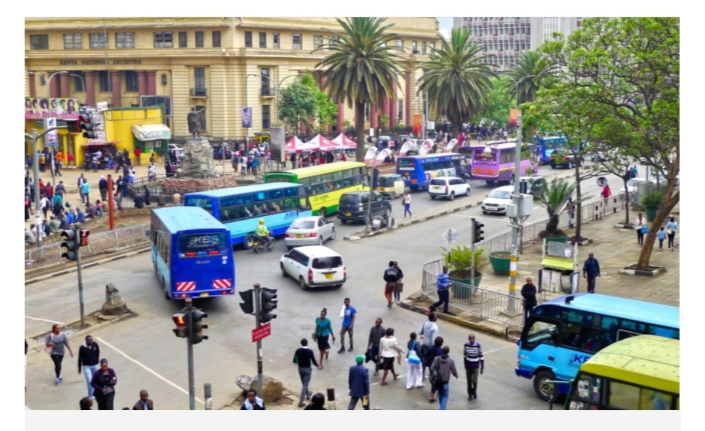
A week earlier, congregants had staged demonstrations at the church. At the heart of the dispute were allegations of land grabbing involving the Central Kenya Conference, under whose jurisdiction Karura SDA falls. Notably, Karura SDA Church and the Central Kenya Conference offices share the same compound, an arrangement that has now become a source of contention.
Confirming the dispute, the President of the Central Kenya Conference who was in attendance, explained that tensions had been building for some time.
“We have severally stopped some attempted development projects, such as the construction of a toilet for security officers, due to complaints raised by church elders,” he said assuring the congregants of his commitment to peaceful coexistence
He further revealed that on the eve of the Sabbath, one elder went as far as locking the church in an attempt to deny congregants access to the service. Police intervention was required for the keys to be surrendered and the church prepared for Sabbath fellowship.
Attempts by the Conference leadership to convene a meeting with the local church board before the service failed. In my hearing they were summoned twice but never heeded, prompting the president to address the entire congregation later on the issue
The Seventh-day Adventist Church is globally known for its structured and rigorous internal dispute resolution mechanisms. Matters of governance, property, and leadership are traditionally addressed through dialogue, committees, and established ecclesiastical processes. When disagreements spill into public worship and disrupt sacred practices such as offerings, it signals a deeper breakdown, one that cannot be ignored or spiritualized away.
Time to awaken
Faith communities are meant to be sanctuaries of peace, not arenas of protest. While religious institutions are built on doctrine, they are sustained by people, and people require honest, transparent conversation. Conflicts, especially those involving land, leadership, and trust, cannot be resolved by hiding behind religious language or sacred rituals.
The church must remain the pillar and ground for truth. Robust conversations about reality must be encouraged. The clergy cannot anymore paint roses while the sepulcher is full of rotten bones.

Head of Radio|Media Programming Expert|Broadcasting & Journalism|Virtual Assistant|Radio Vuna